


| Category | Tonsil Hypertrophy |
Tonsil Enlargement (Tonsil Hypertrophy) in Children
What Are Tonsils?
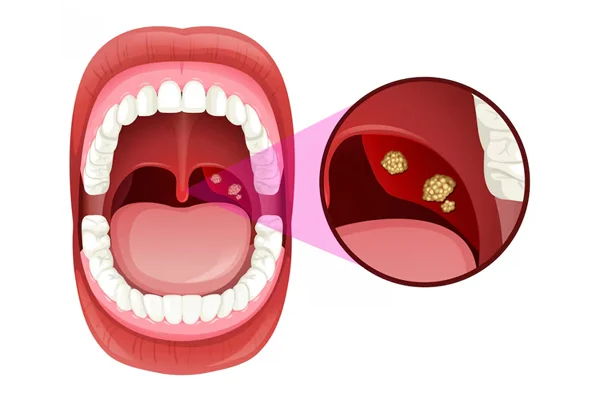
Tonsils are two small pads of immune tissue located at the back of the throat, one on each side. They are part of the body’s immune system and help children fight infections during early childhood.
Is It Normal for Tonsils to Be Large in Children?
Yes. In many children, tonsils naturally become larger between the ages of 3 to 8 years as the immune system becomes more active.
Normally:
• Tonsils enlarge during childhood
• Help the body respond to infections
• Gradually shrink as children grow older
Large tonsils alone are not always a problem.
When Do Enlarged Tonsils Become a Concern?
Sometimes the tonsils become excessively enlarged or repeatedly infected, leading to problems with breathing, sleep, swallowing, or recurrent illness. When tonsils are too large, they can partially block the airway, especially during sleep.
Common Symptoms of Enlarged Tonsils
• Loud snoring
• Mouth breathing
• Restless sleep
• Pauses in breathing during sleep (sleep apnea)
• Difficulty swallowing food
• Frequent throat infections
• Bad breath
• Nasal or muffled voice
• Poor sleep quality
• Daytime tiredness or irritability
• Difficulty concentrating in school
Recurrent Tonsillitis
Some children develop repeated infections of the tonsils, known as recurrent tonsillitis.
Symptoms may include:
• Fever
• Severe throat pain
• Difficulty swallowing
• Enlarged neck glands
• Repeated antibiotic use
• Missed school days
How Do We Evaluate Enlarged Tonsils?
Evaluation usually includes:
• Detailed ENT examination
• Assessment of sleep and breathing symptoms
• Examination of tonsil size
• Review of frequency of infections
• Sleep evaluation in selected children
How Are Enlarged Tonsils Treated?
Medical Treatment:
• Medicines for throat infections
• Allergy treatment if associated
• Nasal medications when needed
• Observation and regular follow-up
Many children improve as they grow.
Tonsillectomy:
If symptoms are severe or persistent, surgery may be recommended. A tonsillectomy is a procedure performed under general anesthesia to remove the enlarged or repeatedly infected tonsils.
Sometimes, adenoid surgery may also be done together if adenoids are enlarged.
When Is Tonsil Surgery Usually Recommended?
Surgery may be advised if a child has:
• Significant snoring or sleep apnea
• Difficulty breathing during sleep
• Frequent tonsil infections
• Difficulty swallowing due to large tonsils
• Poor sleep affecting daily life
• Repeated antibiotic requirement
• Failure to improve with medical treatment
Is Tonsil Surgery Safe?
Yes. Tonsillectomy is one of the most commonly performed pediatric ENT surgeries and is generally very safe when done by experienced ENT surgeons.
Children are carefully monitored during and after surgery.
What Happens After Surgery?
Most children experience:
• Better breathing during sleep
• Reduced snoring
• Improved sleep quality
• Better daytime energy and concentration
• Fewer throat infections
• Easier swallowing and eating
Some throat pain is expected for a few days after surgery and improves gradually.
Recovery After Tonsil Surgery
Most children:
• Go home within 24 hours
• Recover over 1–2 weeks
• Need soft foods and good hydration during healing
• Return gradually to normal activities
Important Reassurance for Parents
Not every child with large tonsils needs surgery.
The decision depends on:
• Severity of symptoms
• Sleep disturbance
• Frequency of infections
• Effect on growth, school performance, and quality of life
Our goal is always to provide the safest and most appropriate treatment while avoiding unnecessary surgery whenever possible.